


Working from home as a freelancer sounds like a dream—no commute, flexible hours, and working in your pajamas. But the reality is often different. Without structure, it’s easy to get distracted, procrastinate, or burn out. Staying productive when working from home requires more than just willpower. It takes planning, discipline, and the right environment.
In this guide, we’ll share practical strategies to help you stay focused, organized, and energized while working from home. Whether you’re a writer, designer, developer, or consultant, these tips will help you get more done without losing your mind.
—
Create a Dedicated Workspace
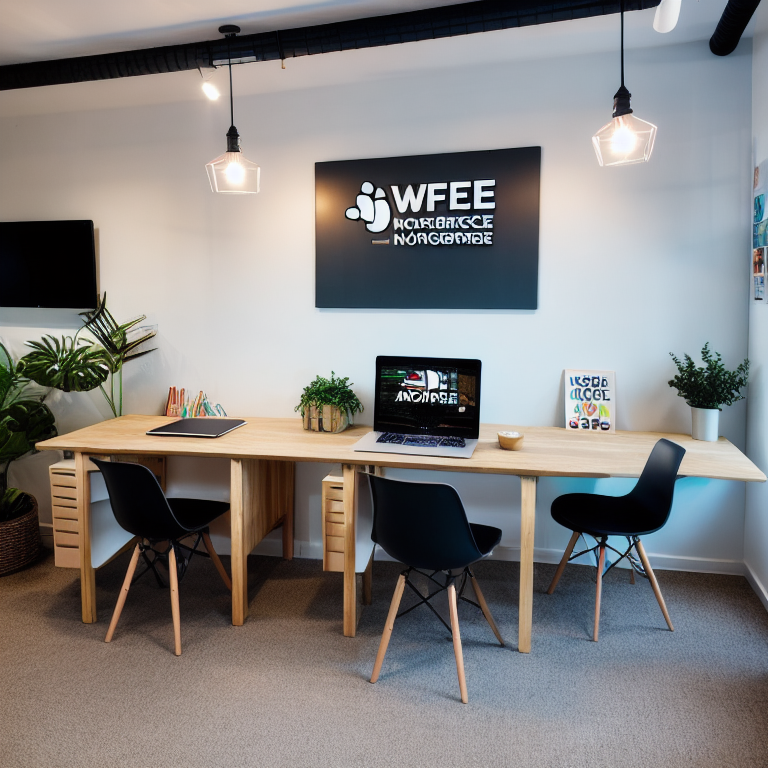
Your environment has a huge impact on your productivity. Working from your bed or couch might feel comfortable, but it blurs the line between rest and work. Set up a dedicated workspace—even if it’s just a small desk in the corner of your room.
Make sure your workspace is quiet, well-lit, and free from clutter. Keep your tools—laptop, notebook, chargers—within reach. Add a few personal touches like a plant or a motivational quote to make it inviting. When you sit at your desk, your brain should know it’s time to work.
—
Set a Consistent Routine
One of the biggest perks of freelancing is flexibility, but too much freedom can lead to chaos. Create a daily routine that mimics a regular workday. Start and end at the same time each day. Take scheduled breaks for meals, stretching, or a short walk.
Morning rituals can help signal the start of your workday. This could be making coffee, journaling, or reviewing your to-do list. Likewise, end your day with a wind-down ritual like tidying your desk or planning tomorrow’s tasks. Consistency trains your brain to switch into work mode automatically.
—
Use Time-Blocking to Stay Focused
Time-blocking is a powerful technique where you divide your day into chunks and assign specific tasks to each block. For example, 9-11 a.m. for client work, 11-12 p.m. for emails, and 1-3 p.m. for meetings or creative tasks.
This method prevents multitasking and helps you stay on track. Use a digital calendar or a physical planner to map out your blocks. Don’t forget to include breaks and buffer time for unexpected tasks. Over time, you’ll learn how long tasks actually take and can plan more accurately.
—
Minimize Distractions
Distractions are the enemy of productivity. Social media, household chores, or even a noisy neighbor can derail your focus. Identify your biggest distractions and take steps to minimize them.
Use apps like Freedom or Focus@Will to block distracting websites during work hours. Let family members or roommates know your work schedule so they don’t interrupt you. If noise is an issue, try noise-canceling headphones or white noise apps. The goal is to create a bubble where you can concentrate fully.
—
Take Regular Breaks
Working non-stop might seem productive, but it actually leads to burnout and decreased focus. Your brain needs rest to stay sharp. Follow the Pomodoro Technique: work for 25 minutes, then take a 5-minute break. After four cycles, take a longer 15-30 minute break.
Use breaks to stretch, hydrate, or step outside for fresh air. Avoid screens during breaks to give your eyes a rest. Regular breaks keep your energy levels high and prevent mental fatigue.
—
Stay Connected with Other Freelancers
Freelancing can be lonely, especially when working from home. Isolation can hurt your motivation and creativity. Stay connected with other freelancers through online communities, coworking spaces, or networking events.
Join Facebook groups, Slack channels, or forums related to your field. Share your wins, ask for advice, and collaborate on projects. Having a support network keeps you accountable and inspired. Plus, you might find new clients or partnerships through these connections.
—
Track Your Progress and Celebrate Wins
It’s easy to feel like you’re not making progress when you’re working alone. Keep track of your accomplishments, no matter how small. Use a project management tool like Trello or Asana to monitor your tasks and deadlines.
At the end of each week, review what you’ve achieved. Celebrate milestones with a treat, a day off, or sharing your success with friends. Recognizing your progress boosts motivation and reminds you why you chose freelancing in the first place.
—
Use the Right Tools
The right tools can make your freelance work much easier. For project management, try Trello or Asana. For time tracking, use Toggl or Harvest. For communication, Slack or Zoom are great options.
If you’re working on a budget, check out our guide to top tools for managing freelance projects on a budget. These tools help you stay organized, meet deadlines, and communicate with clients efficiently.
—
Set Boundaries with Clients and Family
When you work from home, people might assume you’re always available. Set clear boundaries with clients about your working hours and response times. Use auto-responders or email signatures to communicate your schedule.
Similarly, set boundaries with family or roommates. Let them know when you’re working and when you’re available. Physical cues like closing your office door or wearing headphones can signal that you’re in work mode.
—
Plan for Long-Term Growth
Productivity isn’t just about getting through today’s tasks. Think about your long-term goals as a freelancer. Are you building skills, expanding your network, or increasing your rates?
Invest in learning through online courses or certifications. For example, our article on why certifications matter more than ever in 2024 explains how credentials can boost your career. Planning for growth keeps you motivated and ensures your freelance business thrives.
—
Frequently Asked Questions (FAQ)
How do I stay motivated when working from home?
Set clear goals, create a routine, and reward yourself for completing tasks. Stay connected with other freelancers for support and accountability.
What’s the best way to manage my time as a freelancer?
Use time-blocking to assign specific tasks to each part of your day. Track your time with apps like Toggl to understand how long tasks take.
How can I avoid distractions while working from home?
Identify your main distractions and minimize them. Use apps to block websites, set boundaries with family, and create a quiet workspace.
Should I take breaks when working from home?
Yes! Regular breaks prevent burnout and keep you focused. Try the Pomodoro Technique: work for 25 minutes, then take a 5-minute break.
How do I separate work and personal life when freelancing from home?
Set a consistent schedule, create a dedicated workspace, and have clear start and end-of-day rituals. Communicate your hours to clients and family.
—
Conclusion
Staying productive when working from home as a freelancer isn’t about working harder—it’s about working smarter. By creating a dedicated workspace, setting a routine, minimizing distractions, and using the right tools, you can boost your focus and efficiency. Remember to take breaks, stay connected, and celebrate your progress.
Freelancing offers incredible freedom, but it also requires discipline. With these strategies, you can enjoy the benefits of working from home without sacrificing your productivity or well-being. Start small, be consistent, and watch your freelance career thrive.
—
For more tips on building your freelance business, check out our guide to negotiation skills for getting what you want without conflict. And if you’re looking to improve your resume, don’t miss our article on the secret to writing a resume that stands out.








Leave a Reply